
CES 2026 Didn’t Showcase Gadgets — It Showed the Future of Human Relevance

When major tech events arrive, most of the world expects an impressive parade of new devices. But CES 2026 served a different purpose: it offered a lens into the future of human relevance — how people will learn, work, and stay valuable in an AI-driven world.
Far from being a catalogue of toys, this year’s CES highlighted technologies that redefine the interaction between human and machine. Coupled with insights from business leaders and futurists about workforce transformation, the narrative from CES 2026 is strategic and human-centric.
What Industry Leaders Said About AI and the Future of Work in CES 2026
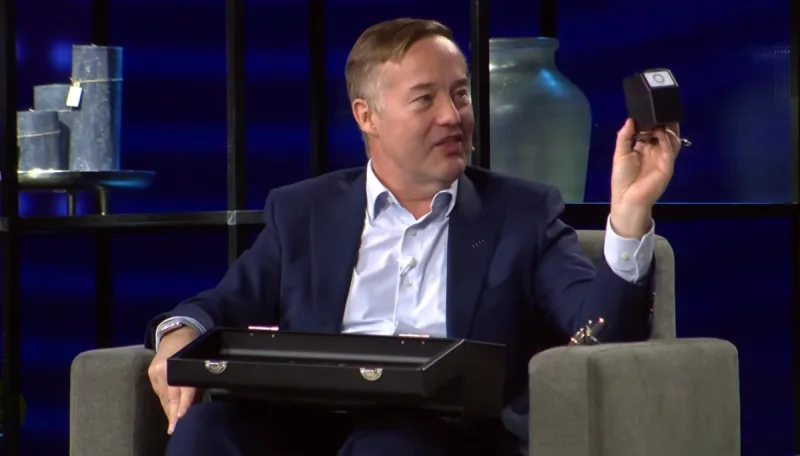
One of the most discussed moments during CES 2026 wasn’t on the mainstage keynote — it was on a live podcast session featuring executives from McKinsey & Company and General Catalyst, hosted by investor Jason Calacanis.
The Era of “Learn Once, Work Forever” Is Over
In that session, leaders agreed that the traditional model of education and careers — learn at the start, work the rest of your life — is obsolete. They argued that AI is changing job expectations so fast that static skill sets no longer hold value. Continuous learning and adaptability have become essential.
“Standing out requires drive, passion, and a commitment to lifelong learning,” said one speaker, emphasising that AI accelerates the pace at which skills become obsolete.
This commentary didn’t just echo trends — it correlated directly with the kinds of technologies on display across CES 2026, showing that human relevance will increasingly depend on the ability to evolve alongside AI.
The Technologies That Define CES 2026
CES 2026 wasn’t devoid of gadgets — but the importance of those technologies goes beyond specs. What follows are the standout innovations that reveal how AI is creeping from screens into everyday existence:
1. AI Compute Platforms (NVIDIA, AMD, Intel)
AI is becoming the foundation layer of modern computing.
- NVIDIA showcased advanced AI computing architectures supporting both large generative models and physical AI applications — reinforcing the idea that intelligence will be embedded across systems.
- AMD expanded its AI processor lineup for both PCs and servers.
- Intel highlighted AI-native processors that bring on-device intelligence to personal computing.
These moves show that AI is no longer a feature — it’s becoming infrastructure.
2. Physical and Autonomous Robotics
Robotics stole attention this year, especially new demonstrations of AI-powered humanoid robots like Boston Dynamics’ Atlas, which is advancing toward commercial workflows such as manufacturing tasks. These robots are more than demos; they are signs that AI is evolving beyond digital logic into physical autonomy.
This shift requires humans who can supervise, interpret, and ethically guide increasingly autonomous systems — a skill set not easily automated.
3. AI Wearables and Smart Glasses
Smart glasses and AI wearables were among the most talked-about devices:
- MemoMind AI glasses blend real-time translation, note synthesis, and on-device AI assistance into everyday eyewear.
- Tom’s Guide coverage showed several advanced smart glasses pushing higher refresh rates, immersive features, and seamless AI support.
These wearables signal a world where AI augmentation isn’t confined to apps — it becomes part of human sensory experience.
4. AI Embedded in Entertainment and Homes
From Samsung’s 130-inch micro RGB AI TV that integrates smart home vision with predictive AI behaviour to fully AI-driven appliances designed to anticipate user needs, CES 2026 featured smart homes that think rather than respond.
This environment fosters the expectation that humans must not just be users, but designers of intention, shaping how AI adapts to individual life patterns.
5. Innovative Consumer Tech Highlights
While not all CES 2026 innovations are directly about AI, they hint at future engagement with intelligence:
- HP Eliteboard G1a: a full desktop computer in a keyboard.
- Samsung Galaxy Book6 series: AI-enhanced productivity and creativity tools.
- Motorola Razr Fold: foldable smartphone with advanced on-device AI.
- Quirky but imaginative gadgets — like robot companions and smart pet devices — show how AI may permeate niche experiences.
These innovations don’t stand alone as products; they paint a picture of a world where AI assistants become expected rather than luxury add-ons.
What This Means for Human Relevance
The technologies and speaker insights from CES 2026 converge on a single theme:
Human relevance will be defined by adaptability, judgment, emotional intelligence, and the ability to learn continuously.
AI systems can recognise patterns, optimise routine tasks, and even start tasks proactively — but they cannot yet replicate:
- ethical reasoning
- creativity
- cross-domain judgment
- complex human interaction
These are the traits that will differentiate humans in the workforce of tomorrow.
The Real Message of CES 2026
CES 2026 did not primarily showcase gadgets.
It revealed a future where intelligence lives everywhere — from homes to wearable tech, from robots to personalised assistants. In that world, humans who continuously evolve will thrive.
The real takeaway is not what was announced — but what the world will now expect from the humans who live in it.
Also read: Why to Own a Digital Asset in 2026? How can you stand out and make wealth for generations?